

What the Record Shows
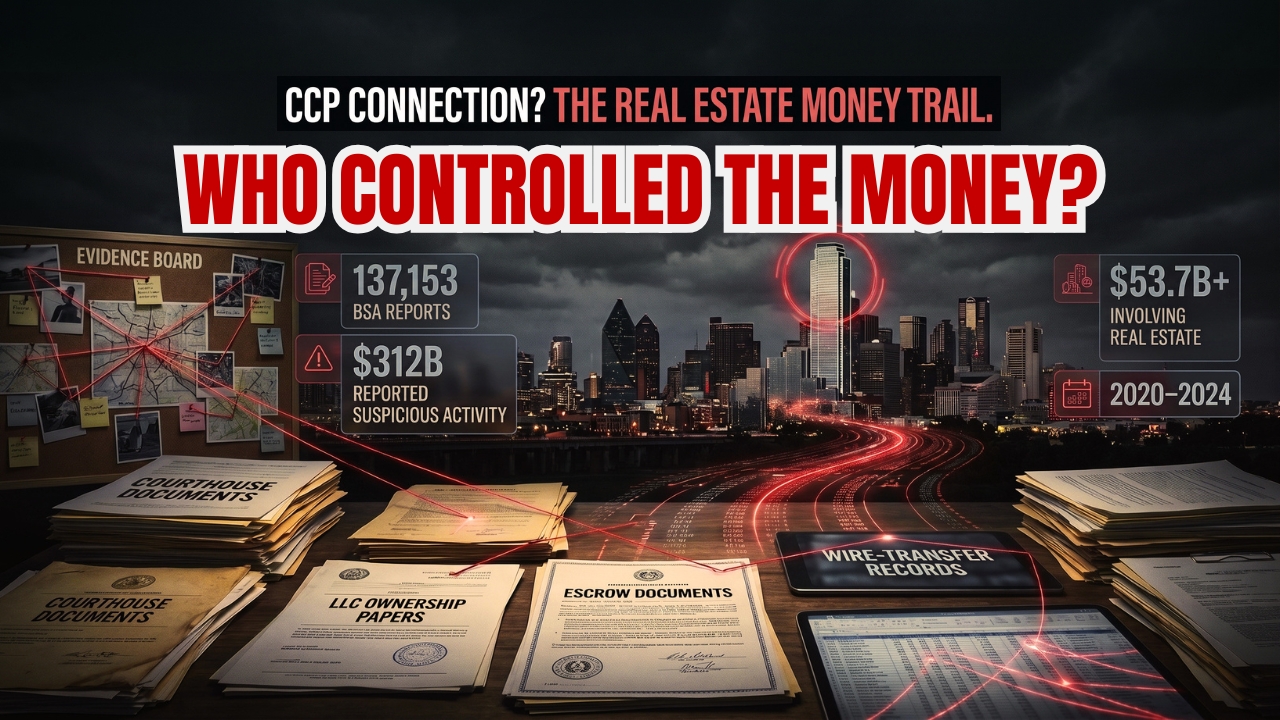
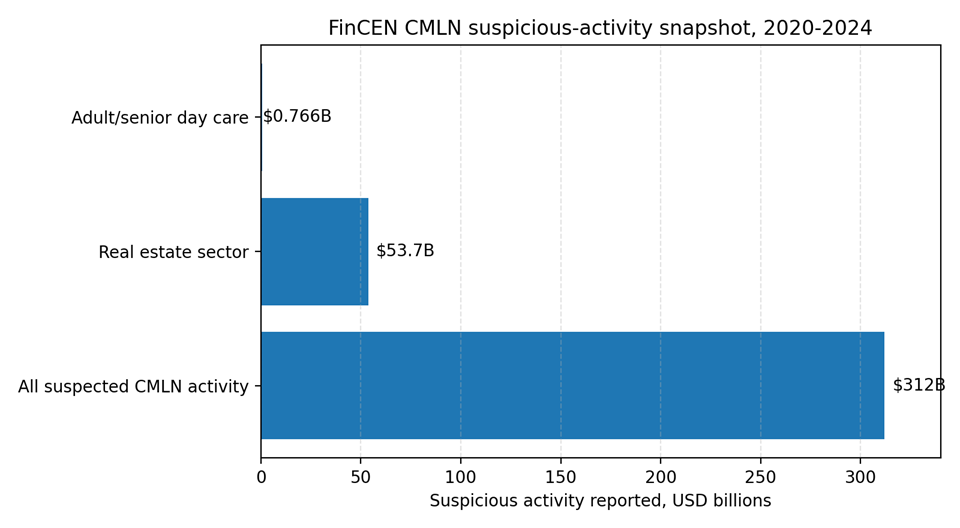
Chinese money laundering in American real estate is not a fringe theory. It is now part of the official federal financial-crime record. The Financial Crimes Enforcement Network (FinCEN) has warned that cartels and other illicit actors are using Chinese money-laundering networks (CMLNs), and its 2025 analysis identified more than $53.7 billion in suspicious activity involving the real estate sector. That number alone does not prove that every transaction was criminal. But it does confirm that American property markets are attractive to networks seeking to convert cash, restricted funds, or unexplained wealth into assets that appear legitimate.
This Article uses the term “CCP connection” cautiously. It does not treat Chinese nationality, a China-based lender, or a China-origin transfer as proof of state direction. The question is narrower: whether the transaction pattern, the alleged proxy-remitter structure, the flow of money, and the government response resemble known financial-crime typologies that federal agencies have already warned about.
That distinction matters because national-security writing can become sloppy fast. A foreign buyer is not a money launderer. A Chinese lender is not automatically a CCP actor. But when foreign capital, shell buyers, nominee accounts, unexplained wires, pressure to avoid know-your-customer controls, and high-value U.S. real estate appear in the same fact pattern, the public has a legitimate reason to ask sharper questions.
Why real estate is the perfect hiding place
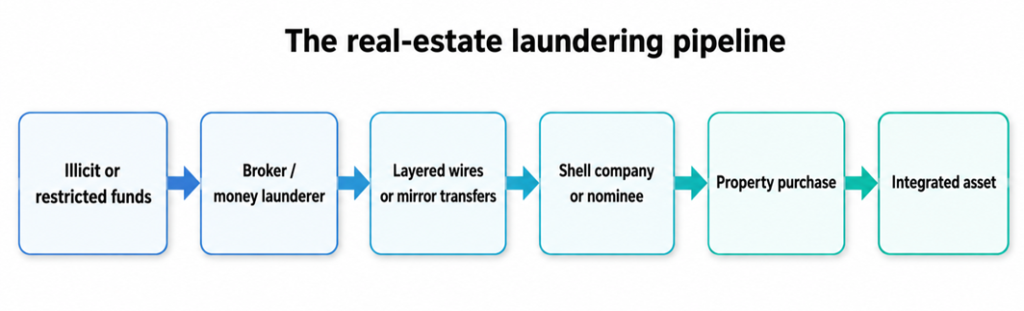
Real estate has three qualities money launderers value: it absorbs large sums, it can be held through layers of entities, and it creates an ordinary-looking explanation for wealth. A wire transfer into a newly created company may raise questions. A property deed held by that same company may look routine unless someone follows the money backward.
The strongest laundering schemes do not look dramatic. They look like closings, loans, family transfers, consulting fees, deposits, escrow movements, contractor payments, and entity restructurings. That is why the real question is rarely whether money entered the United States. The harder question is whether the origin, ownership, purpose, and control of that money were truthfully disclosed.
Chinese Money Laundering in American Real Estate: 5 Red Flags
Chart 1: Why U.S. real estate attracts laundering risk
| Feature | Why it matters | Investigative question |
| High-dollar transactions | A single purchase can absorb millions of dollars. | Where did the money originate? |
| Entity buyers | LLCs, trusts, and nominees can separate legal title from true control. | Who is the beneficial owner? |
| Third-party wires | Money can arrive from people who are not on the purchase documents. | Why did the sender differ from the buyer? |
| Asset appreciation | A property can later be refinanced or sold as clean-looking wealth. | Was the asset used to integrate suspicious funds? |
| Complex closings | Escrow, lenders, title companies, developers, and brokers may fragment visibility. | Who had a complete picture of the deal? |
The national-security layer
Not every suspicious property deal becomes a national-security case. But foreign real-estate acquisition becomes a national-security issue when property is close to sensitive facilities, when ownership is hidden, when the buyer is directed by a foreign state, or when the transaction could support intelligence collection, coercion, supply-chain leverage, or strategic land control.
The U.S. Department of the Treasury has expanded real-estate coverage under the Committee on Foreign Investment in the United States (CFIUS) around more than 60 military installations because certain property transactions may allow foreign persons to collect intelligence or expose sensitive national-security activities to surveillance. See the Treasury CFIUS final rule.
Chart 2: Ordinary foreign investment vs. national-security concern
| Scenario | Usually ordinary commerce | Potential national-security concern |
| Foreign buyer purchases a condominium | Common real estate transaction. | Concern rises if the beneficial owner is hidden or the funds are unexplained. |
| Lender uses a U.S. LLC | Common asset-holding structure. | Concern rises if nominees obscure who controls the property. |
| Property near sensitive site | May be innocent depending on facts. | CFIUS may review if proximity or access creates surveillance risk. |
| China-related funds | Not unlawful by itself. | Concern rises when funds move through mules, mirror transfers, or AML-avoidance channels. |
| CCP link alleged | Requires proof. | Requires evidence of official role, direction, benefit, or control. |
Where the Barton case enters the picture
The Barton case sits at the intersection of securities enforcement, federal receivership, Chinese investor funds, and contested allegations about who controlled the money trail. The U.S. Securities and Exchange Commission (SEC) alleges that Barton, Stephen Wall, Haoqiang Fu, and the Wall entities raised more than $26 million from more than 100 Chinese co-lenders through real estate investment offerings. Barton has pleaded not guilty in the parallel criminal case.
The competing defense account is materially different. It argues that Fu was the original promoter, intermediary, and funding-channel architect; that Barton entered later as a fee developer; that Fu controlled the lender relationships and communications; and that Barton reported suspected money-laundering concerns before the enforcement action turned against him.
The timeline places Barton’s anti-money laundering (AML) reporting in 2019. The complete Barton timeline states that Barton retained Guidepost Solutions and reported suspected money laundering to the U.S. Department of Homeland Security (DHS) and the Federal Bureau of Investigation (FBI). The Walji letter analysis adds the defense-side argument that Fu, not Barton, was the central actor in the Chinese funding structure.
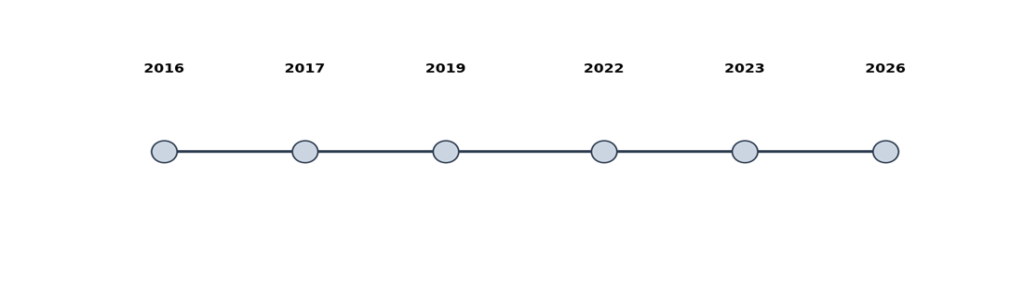
Chart 3: The Barton money-trail questions
| Question | Why it matters | Current posture |
| Who originated the lender relationships? | Identifies who controlled investor access and communications. | Defense points to Fu; government allegations include Barton, Wall, and Fu. |
| Were proxy remitters used? | Third-party senders can be a laundering red flag. | Defense asserts proxy-remitter concerns; this requires transaction-level review. |
| Were funds tied to real projects? | Separates underfunded development from fraudulent fundraising. | Disputed. SEC alleges misuse; defense disputes the narrative. |
| Did Barton report AML concerns? | A whistleblower fact changes the enforcement narrative. | Defense materials place reports in 2019. |
| Did the government follow the foreign-money trail? | Central national-security question. | Public debate remains unresolved. |
What this Article does not claim
This Article does not claim that all Chinese co-lenders in the Wall projects were criminals. It does not claim that every money-transfer workaround is a CCP operation. It does not claim that the Barton defense has already been accepted by a court. The claim is narrower: the fact pattern contains the kind of red flags federal agencies now tell financial institutions to watch, and the public record raises a serious question about whether enforcement focused on the right actors.
Conclusion
The policy issue is bigger than one case. If Chinese money-laundering networks are using American real estate to store and clean value, then U.S. enforcement should follow the money trail without political shortcuts. If a developer raised concerns about that trail and was later stripped of assets before trial, the due-process question becomes unavoidable. National security cannot be protected by selective blindness. It requires evidence, transparency, and a willingness to ask who really controlled the money.
Further Reading
For readers who want more background on the issues surrounding the Barton case, whistleblower reporting, government enforcement, and the disputed sequence of events, these related articles provide additional context:
- Whistleblower Retaliation: How the Government Punishes — Examines how government process, investigations, asset restrictions, and legal pressure can become part of a broader retaliation pattern.
- The Whistleblower Retaliation Playbook — Looks at recurring patterns that can emerge after misconduct is reported, including ignored warnings, escalating pressure, economic isolation, and changes in the public narrative.
- Did the Barton Case Follow the Whistleblower Retaliation Pattern? — Applies the retaliation framework directly to the Barton chronology and examines the sequence between Barton’s reported concerns and the enforcement actions that followed.
- The Complete Tim Barton Case Timeline: 2017 to 2026 — Provides a broader chronology of the case, including Barton’s reported money-laundering concerns, government contacts, subsequent enforcement actions, and developments through 2026.